Couple questions: Weddings and celebrations
Can we use Moroccan wedding traditions if we are not Moroccan?
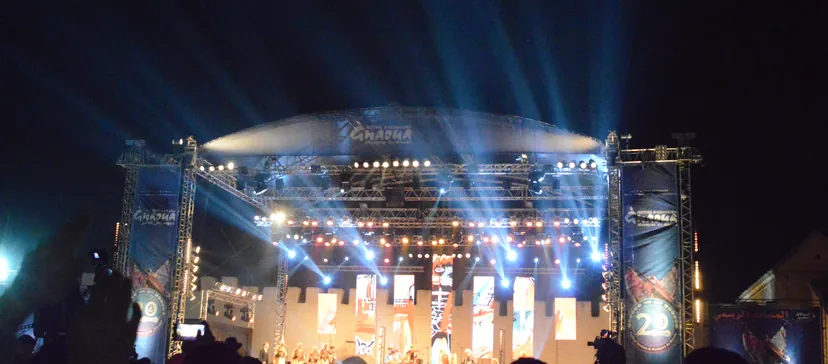
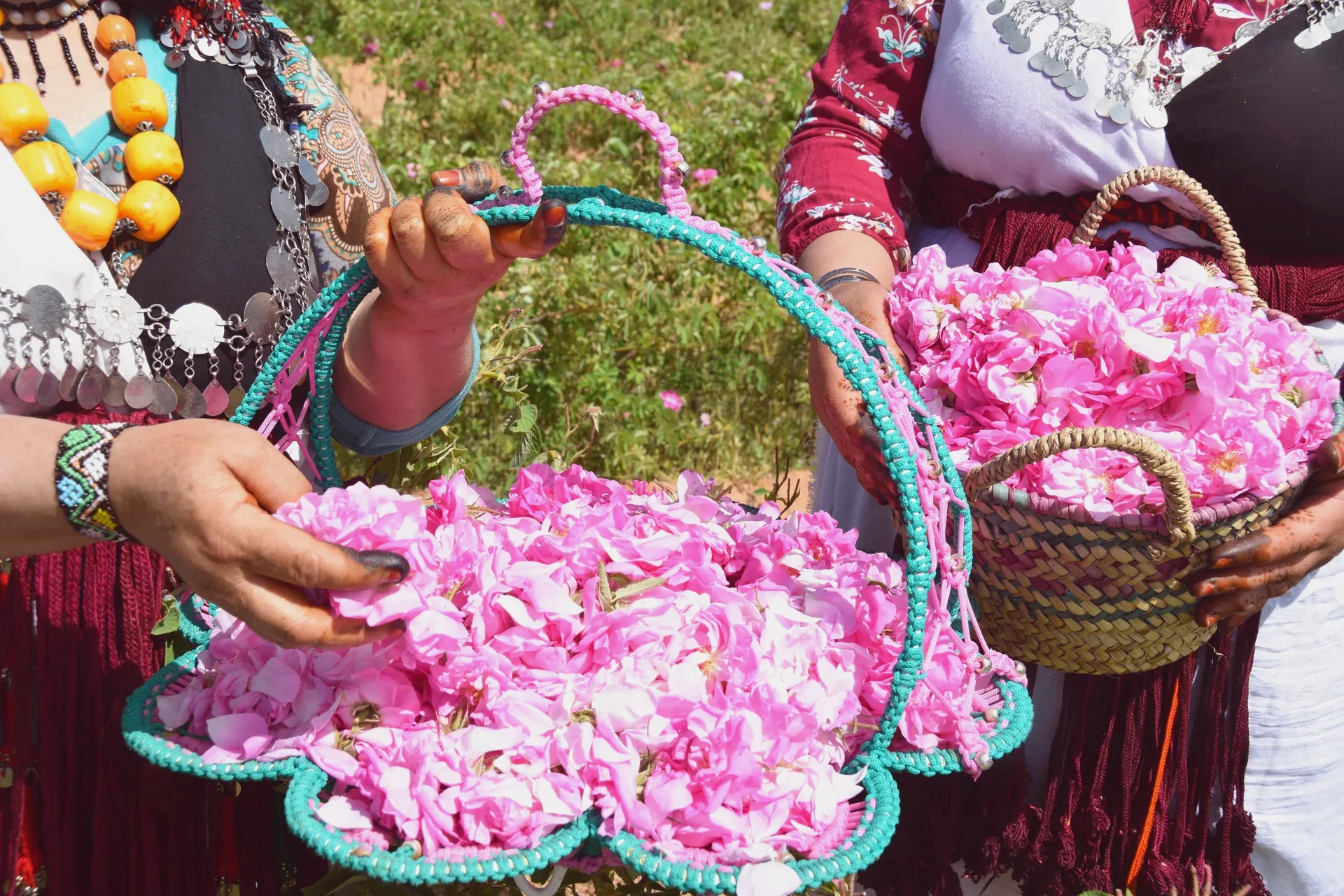
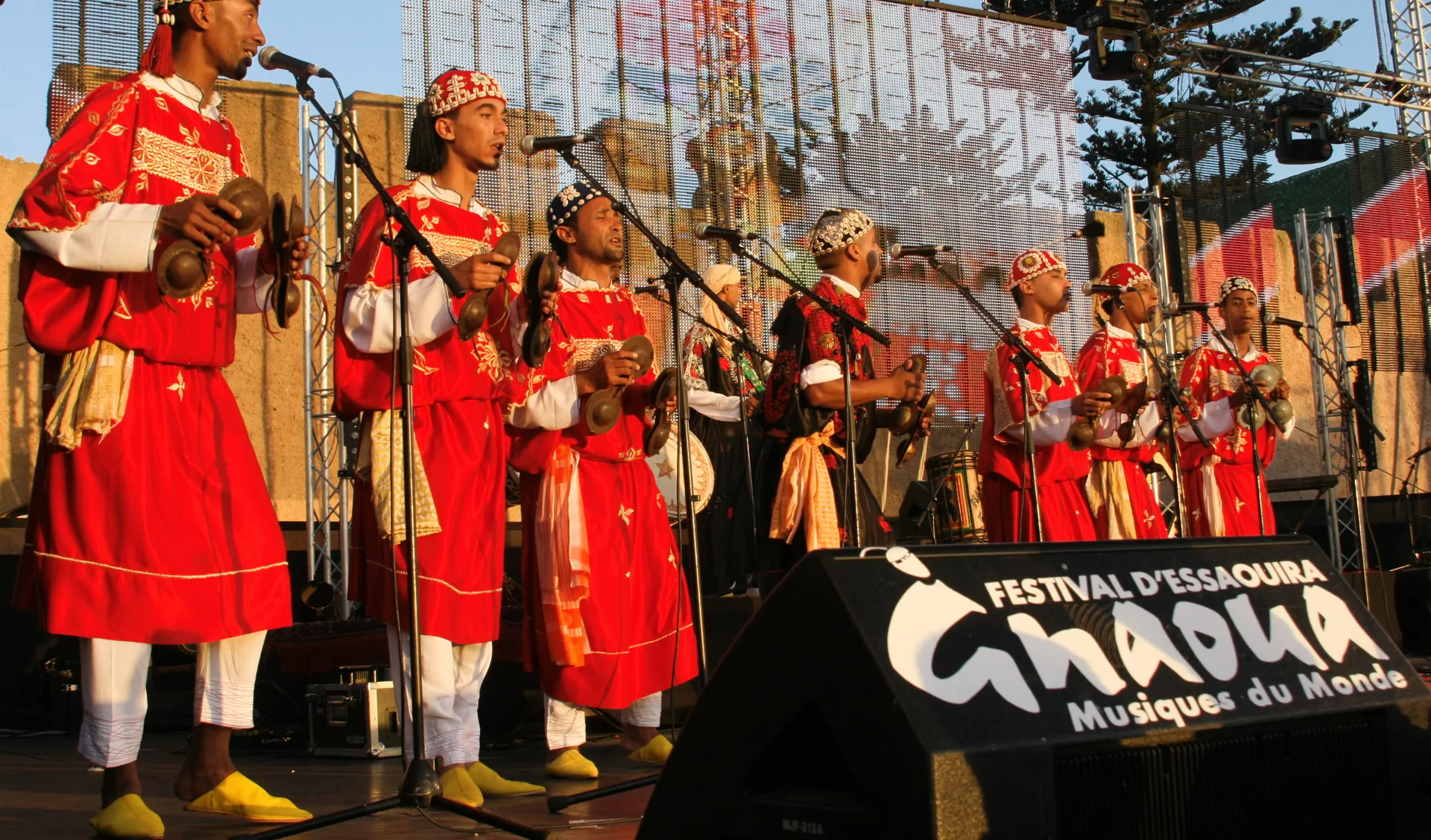
Yes. The most memorable destination weddings in Morocco borrow generously from local ceremony: a henna night, a diffa feast, the amaria entrance, a negaffa's kaftans and Gnaoua musicians under the lanterns. These are genuine rites of welcome and celebration, and guests of any background tend to be moved by them. Use as many or as few as you like.
Answered by the Morocco Honeymoons team. Checked October 2026.
The short answer
Yes. The most memorable destination weddings in Morocco borrow generously from local ceremony: a henna night, a diffa feast, the amaria entrance, a negaffa's kaftans and Gnaoua musicians under the lanterns. These are genuine rites of welcome and celebration, and guests of any background tend to be moved by them. Use as many or as few as you like.
In more detail
Respect comes from doing them properly. That means working with the people who keep these traditions, such as the negaffa, the henna artist and the musicians, rather than recreating them as decoration. Your planner can introduce you and explain what each part means.
You can also mix. Many couples hold their own ceremony with their own words and music, then move into a Moroccan evening with the diffa and musicians. Others invite guests to wear kaftans and djellabas, which guests almost always enjoy.
Dress and behaviour matter around the celebration too. Guests should know that modest dress is appreciated in the medina and that public displays of affection are best kept discreet outside the venue.
Good to know
- Ask your planner to explain each tradition so you can tell your guests.
- Invite guests to wear kaftans or djellabas; it brings everyone into the evening.
- Choose the traditions that mean something to you, not just the most photogenic.
Still have a question? Ask it, and a person answers.
Send it on WhatsApp or by email. A member of the team replies, and if other couples ask it too, the answer goes up here.
Ask the team